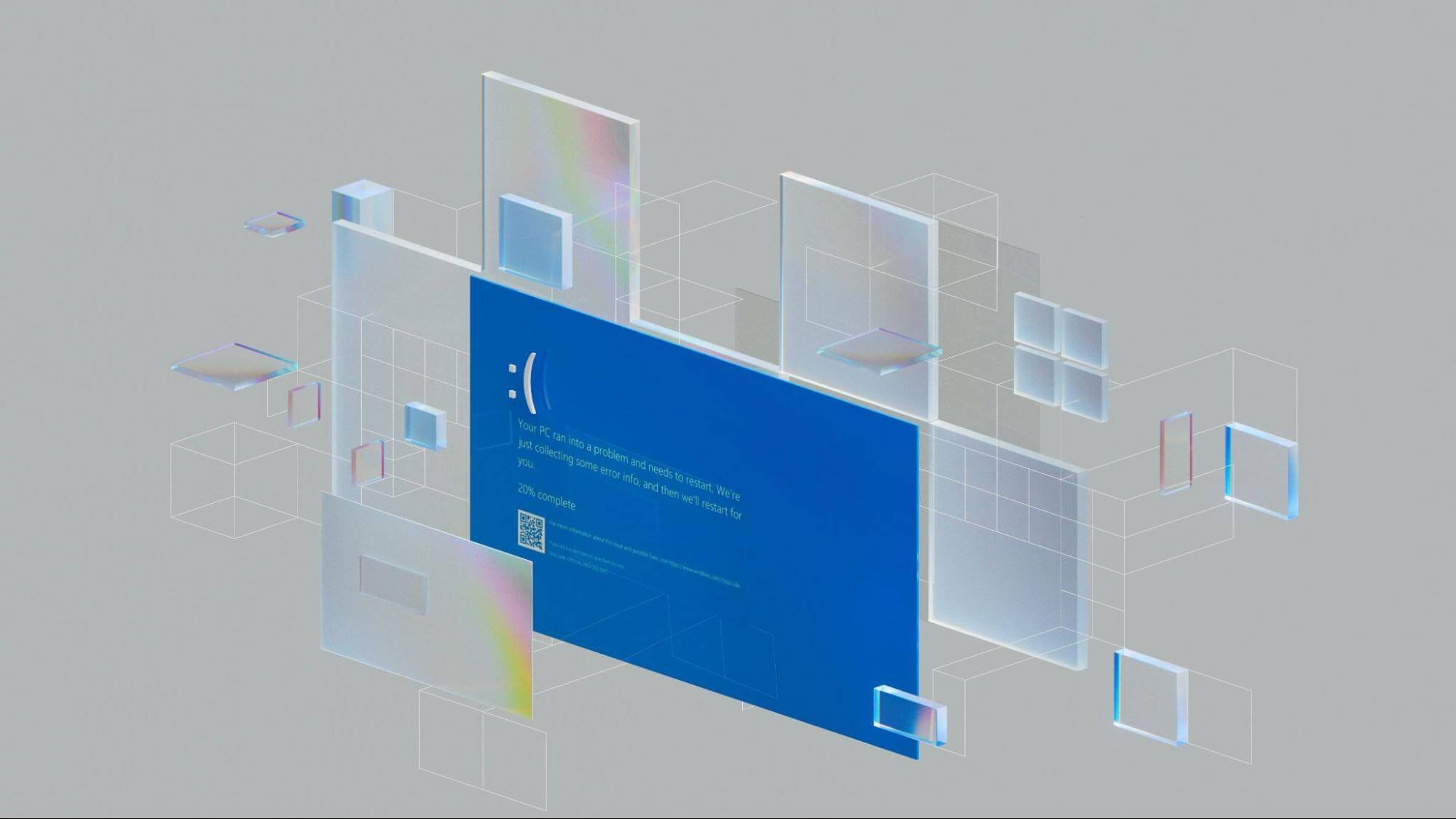
The AI model is rarely the reason a project fails. Organisations invest heavily in selecting the right foundation model, fine-tuning on proprietary data, and building technically impressive prototypes that perform well in controlled demonstrations. Then the project hits the integration phase, where the AI system needs to connect to live CRMs, production databases, legacy ERPs, and the real workflows of real teams, and everything slows down, costs escalate, and the business case quietly unravels. AI project integration failure is far more common than the industry acknowledges, and it is almost always preventable when the right engineering discipline is applied from the start. Understanding why this pattern repeats so consistently is the first step toward breaking it.
The Prototype-to-Production Gap
The most dangerous moment in any AI project is when a working prototype is presented to stakeholders. Prototypes are built in controlled conditions. The data is clean, the scope is narrow, and the integration complexity is either simulated or deferred. When a prototype performs well, it creates pressure to move quickly into production. That pressure is where AI implementation failure begins. Production environments are fundamentally different. Data arrives in inconsistent formats from multiple sources. Legacy systems expose limited or undocumented APIs. Authentication and access control requirements add layers that were never modelled in the prototype. Latency under real load behaves differently from latency in a demo. The AI system that worked smoothly in isolation begins to fail in ways that are difficult to diagnose and expensive to fix once the project is committed to a delivery timeline. Dreams Technologies has seen this pattern across enough client engagements to build the discovery and architecture phase specifically around closing this gap. Before development begins, every integration point is mapped, the authentication and data access model for each connected system is documented, and the failure modes are identified and designed against. The prototype is not the evidence that the project will succeed. The integration architecture is.
Data Access Is Not the Same as Data Readiness
A second major contributor to AI software integration failure is the assumption that data accessibility equals data readiness. Many organisations have spent years aggregating data into warehouses, CRMs, and ERP systems. When an AI project begins, that data appears to be available. The reality is that available data and AI-ready data are often significantly different things. Data that was collected for reporting may lack the consistency required for model training. Records may be incomplete, inconsistently labelled, or distributed across systems with no single source of truth. Access controls that are appropriate for human users create obstacles for automated AI pipelines. Fixing these issues mid-project is one of the most common causes of timeline overruns in enterprise AI integration, because it requires decisions that go beyond the engineering team and into data governance, compliance, and system ownership. The solution is a structured data audit before integration work begins, not alongside it. This means assessing quality, volume, consistency, and compliance posture for every data source the AI system will rely on, then resolving gaps before they become blockers. It is slower at the start and significantly faster overall. Every AI integration project at Dreams Technologies begins with this audit as a non-negotiable step, informed by the same data discipline applied to products like Doccure, where data integrity and regulatory compliance are operational requirements, not aspirational standards.
Compliance and Security Added Too Late
Fixing AI project integration failure almost always involves revisiting decisions that were made, or deferred, early in the project. Compliance and security are the most frequent examples. Organisations operating under GDPR, HIPAA, or SOC 2 requirements need those frameworks applied to every data connection, every inference endpoint, and every logging and access control decision from the first line of architecture. When compliance review happens at the end of a project, it routinely requires significant rework of the integration layer, sometimes rebuilding connections that were designed without the required controls in mind. This is not a theoretical risk. It is a pattern Dreams Technologies has been called in to address on projects originally built by other teams. As an AWS and Microsoft Azure certified partner with direct experience engineering HIPAA-compliant systems, the team builds compliance into integration architecture from day one, including encrypted connections, role-based access controls, PII detection, and full audit logging. It is always cheaper and faster to build correctly the first time than to retrofit controls onto a system that was not designed to support them. If your organisation is planning an AI project and you want to build integration architecture that will hold up in production, handle real data volumes, and meet your compliance requirements without late-stage rework, book a discovery call with the Dreams Technologies team. We will assess your current environment, identify where the real integration risks sit, and give you a clear picture of how to sequence the project so the prototype you build is one that can actually ship.
Get in Touch
Have questions? Fill out the form below and our team will contact you.