
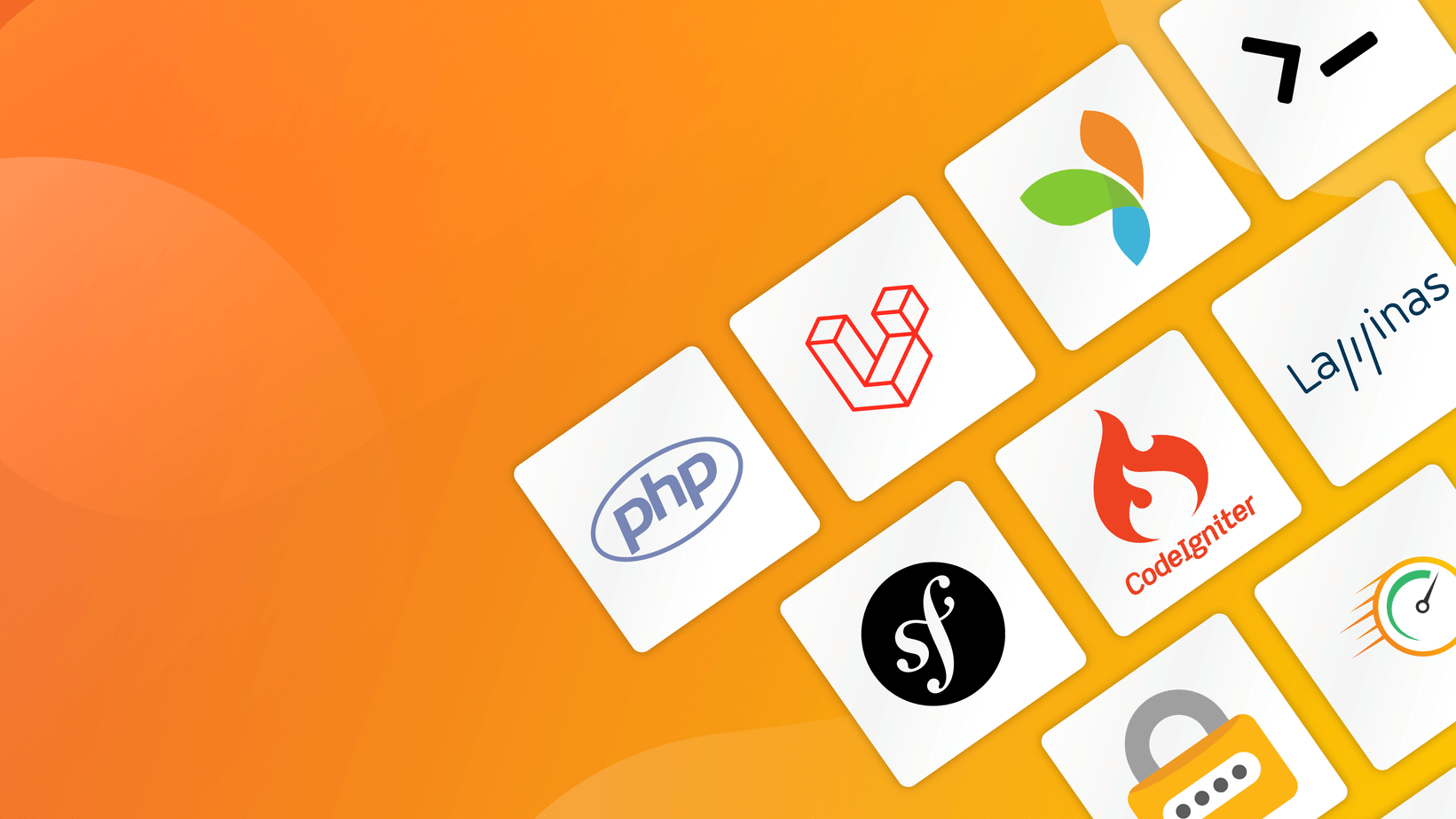
In the fast-paced world of web development, choosing the right PHP framework can make or break your project. As we navigate 2026, PHP remains a cornerstone for building dynamic websites and applications. Among the top contenders, Laravel, CodeIgniter, and CakePHP stand out for their unique strengths. Whether you are a startup launching a minimum viable product or an enterprise scaling complex systems, understanding these frameworks is key. At Dreams Technologies, we have helped countless clients select the best tools for their needs. This guide compares Laravel vs. CodeIgniter vs. CakePHP to help you decide which fits your project in 2026.
Understanding the Basics of Each Framework
Let’s start with a quick overview of each framework, highlighting their core features and recent updates as of early 2026.
Laravel: The Modern Powerhouse
Laravel continues to dominate the PHP landscape in 2026, holding a significant market share of around 35 percent among PHP frameworks. Released in 2011, it has evolved into a full-stack framework with elegant syntax and robust tools. The latest version, Laravel 12 (updated to 12.51 in February 2026), emphasizes performance and developer productivity. Laravel 13 is slated for release in early March, promising enhancements in scaling and security.
Key features include Eloquent ORM for seamless database interactions, built-in authentication, and Artisan CLI for task automation. It excels in handling complex applications with its modular structure and vast ecosystem of packages via Composer.
CodeIgniter: The Lightweight Performer
CodeIgniter prioritizes simplicity and speed, making it ideal for developers who want minimal overhead. First launched in 2006, its latest version, 4.7.0 (released February 2026), focuses on PHP 8.1+ compatibility and improved API handling. With a small footprint of about 1.1 MB, it outperforms many competitors in execution speed.
It follows a straightforward MVC architecture without enforcing strict conventions, offering flexibility for small to medium projects. Features like active record for database queries and built-in security tools keep it relevant for rapid prototyping.
CakePHP: The Convention-Driven Builder
CakePHP emphasizes rapid development through convention over configuration. Originating in 2005, version 5.3.1 (January 2026) brings updates for PHP 8.2+ and enhanced security fixes. It is known for its scaffolding tools that generate code quickly, reducing boilerplate.
With a built-in ORM and validation system, CakePHP suits projects needing fast builds, like content management systems. However, its community is smaller compared to Laravel, which can mean fewer third-party resources.
Head-to-Head Comparison
To make your decision easier, here is a detailed comparison based on key factors relevant in 2026.
| Aspect | Laravel | CodeIgniter | CakePHP |
| Architecture | Full-stack MVC with modularity | Lightweight MVC | MVC with convention focus |
| Performance | Good for large apps with caching | Excellent for small projects | Solid, but not the fastest |
| Learning Curve | Moderate, intuitive | Easy for beginners | Moderate, convention-based |
| Community Size | Largest (75k+ GitHub stars) | Moderate | Smaller |
| ORM/Database | Eloquent (advanced) | Active Record (basic) | Built-in ORM |
| Scalability | High, enterprise-ready | Medium | Good for mid-sized apps |
| Use Cases | Complex apps, APIs | Quick prototypes, small sites | Rapid development, CMS |
From performance benchmarks, CodeIgniter often edges out in speed for lightweight tasks, while Laravel shines in scalability with tools like Redis caching. CakePHP balances the two, offering quick setup but less flexibility for massive scales.
Pros and Cons of Each Framework
Every framework has trade-offs. Here is a balanced look:
- Laravel Pros: Rich features, strong community support, excellent for team collaboration. Cons: Higher resource usage, steeper initial setup for simple projects.
- CodeIgniter Pros: Fast execution, low learning curve, minimal configuration. Cons: Fewer built-in features, may require more custom code for advanced needs.
- CakePHP Pros: Rapid prototyping, built-in tools for validation and security. Cons: Less modern ecosystem, potential maintenance issues for legacy code.
In 2026, Laravel’s ecosystem makes it a go-to for modern web apps, but CodeIgniter’s speed appeals to performance-critical projects.
Which Framework Should You Choose in 2026?
The best choice depends on your project’s scope and team expertise.
- Opt for Laravel if your project involves complex features like e-commerce platforms or APIs. Its tools save time in the long run, especially for growing businesses.
- Choose CodeIgniter for simple, high-performance sites where speed is paramount, such as personal blogs or internal tools.
- Go with CakePHP if you need to build quickly with conventions, ideal for prototypes or mid-sized applications.
Consider future-proofing: Laravel’s active development and large community ensure longevity. At Dreams Technologies, we recommend starting with a consultation to align the framework with your goals. Many clients have seen 30 percent faster development times by picking the right one.
Final Thoughts
In 2026, Laravel, CodeIgniter, and CakePHP each offer valuable options in the PHP framework arena. Laravel leads for comprehensive projects, CodeIgniter for efficiency, and CakePHP for speed in setup. Evaluate your requirements, team skills, and scalability needs before deciding. If you are unsure, reach out to experts like us at Dreams Technologies for tailored advice. The right framework not only streamlines development but also boosts your project’s success.
Get in Touch
Have questions? Fill out the form below and our team will contact you.