
The food delivery market continues to grow rapidly in 2026, driven by convenience, personalization, and real-time experiences. Building a competitive app like Swiggy or Zomato requires careful planning across user experience, multi-sided functionality, and scalable backend. In India, where demand remains high in cities like Coimbatore and beyond, startups can launch viable products with focused MVPs.
At Dreams Technologies, we help local businesses and founders create efficient food delivery solutions. This guide covers essential features, the critical admin panel, realistic costs, and practical steps to build your app in 2026.
Essential Features for a Food Delivery App in 2026
A successful app includes four main panels: customer, restaurant/vendor, delivery partner, and admin.
Customer App Features
- User registration/login (social, phone, email) with profile and saved addresses
- Restaurant discovery with smart search, filters (cuisine, ratings, price, distance, veg/non-veg), and AI-powered recommendations
- Menu browsing with images, descriptions, customization options, and add-ons
- Cart management, multiple payment gateways (UPI, cards, wallets, COD), and promo codes
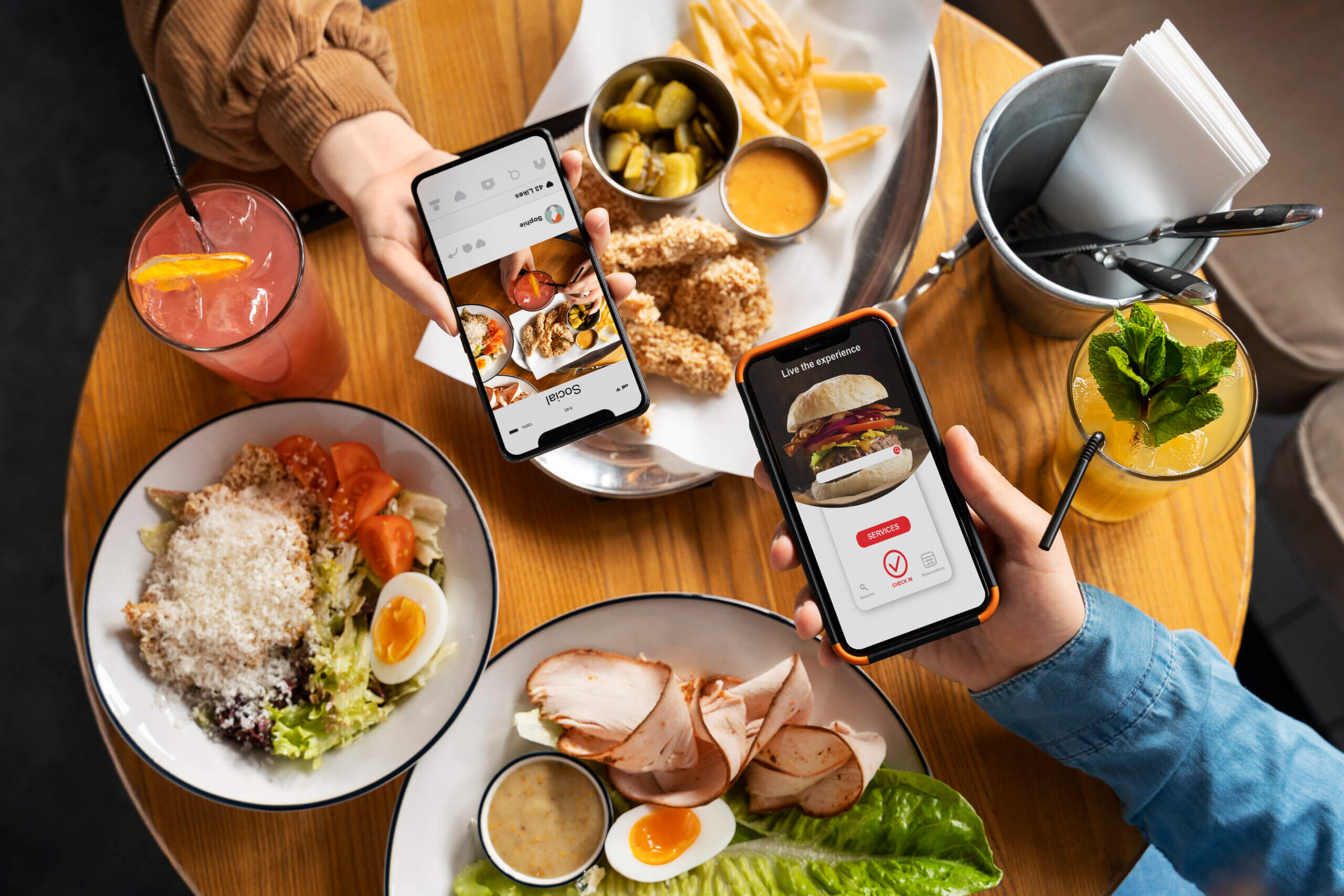
- Real-time order tracking with live map, ETA updates, and push notifications
- Order history, reorder, ratings/reviews, and loyalty rewards
- Voice search, conversational ordering, and personalized suggestions (emerging in 2026)
Restaurant/Vendor Panel Features
- Easy menu upload/update with photos, pricing, availability, and categories
- Order management (accept/reject, prepare time, status updates)
- Dashboard for earnings, top items, customer feedback, and analytics
- Promo and discount management
- Inventory tracking and low-stock alerts
Delivery Partner App Features
- Order acceptance/rejection with nearby pickups
- Real-time navigation, route optimization, and status updates
- Earnings dashboard, payout requests, and incentives
- Safety features like SOS and live location sharing
Admin Panel Features (Super Admin Dashboard)
- Full oversight of users (customers, restaurants, delivery partners)
- Order monitoring, commission management, and dispute resolution
- Restaurant and delivery partner onboarding/approval
- Promotions, coupons, and dynamic pricing control
- Analytics and reports (sales, peak times, popular items, churn)
- Commission settings, payout handling, and fraud detection
- Zone/delivery radius management and support ticket system
These features create a seamless ecosystem. In 2026, AI personalization, real-time updates, and multi-vendor support remain must-haves for retention and growth.
Development Process Overview
- Discovery & Planning — Define MVP scope, user flows, monetization (commissions, delivery fees), and tech stack (Flutter/React Native for cross-platform, Node.js/Python backend, Firebase/AWS for real-time).
- UI/UX Design — Create intuitive, appetizing interfaces with high-quality food images.
- Development — Build customer, restaurant, delivery, and admin panels with secure APIs.
- Integrations — Payment gateways (Razorpay/PayU), maps (Google Maps), push notifications, SMS/OTP.
- Testing & Launch — Rigorous QA, app store submissions, and initial marketing.
- Post-Launch — Monitor performance, add features like AI recommendations or voice search.
Realistic Cost Breakdown in India (2026)
Costs vary by scope, team (agency vs freelancers), and location. In India (Coimbatore or similar cities), professional agency rates average ₹1,500 to ₹4,000 per hour.
- Basic MVP (single restaurant or limited vendors, core ordering/tracking): ₹5,00,000 to ₹12,00,000 ($6,000 to $15,000) — 3 to 5 months
- Mid-Level Aggregator (multi-restaurant, real-time tracking, payments, basic admin): ₹12,00,000 to ₹25,00,000 ($15,000 to $30,000) — 5 to 9 months
- Advanced Platform (AI features, full multi-panel, scalability, compliance): ₹25,00,000 to ₹60,00,000+ ($30,000 to $75,000+) — 9 to 15+ months
Phase-Wise Split (for ~₹15,00,000 mid-level project)
- Discovery & Planning: 10-15% (₹1,50,000 to ₹2,25,000)
- UI/UX Design: 15-20% (₹2,25,000 to ₹3,00,000)
- Development (all panels): 40-50% (₹6,00,000 to ₹7,50,000)
- Testing, QA & Security: 10-15% (₹1,50,000 to ₹2,25,000)
- Deployment & Launch: 5-10% (₹75,000 to ₹1,50,000)
Ongoing costs (hosting, maintenance, updates): 15-25% of initial budget annually.
Tips to Control Costs and Maximize ROI
Start with an MVP focused on one city or niche. Use cross-platform tools like Flutter to save 30-40%. Choose an experienced Indian agency for transparent pricing. Prioritize real-time features and user trust early. Launch, gather feedback, and iterate.
At Dreams Technologies, we build tailored food delivery solutions for Coimbatore and Tamil Nadu businesses, delivering cost-effective MVPs that scale. If you’re planning your app, contact us for a free consultation and customized estimate.
Building a food delivery app in 2026 is a strong opportunity. With the right features and smart budgeting, you can capture local demand and grow steadily.
Get in Touch
Have questions? Fill out the form below and our team will contact you.