
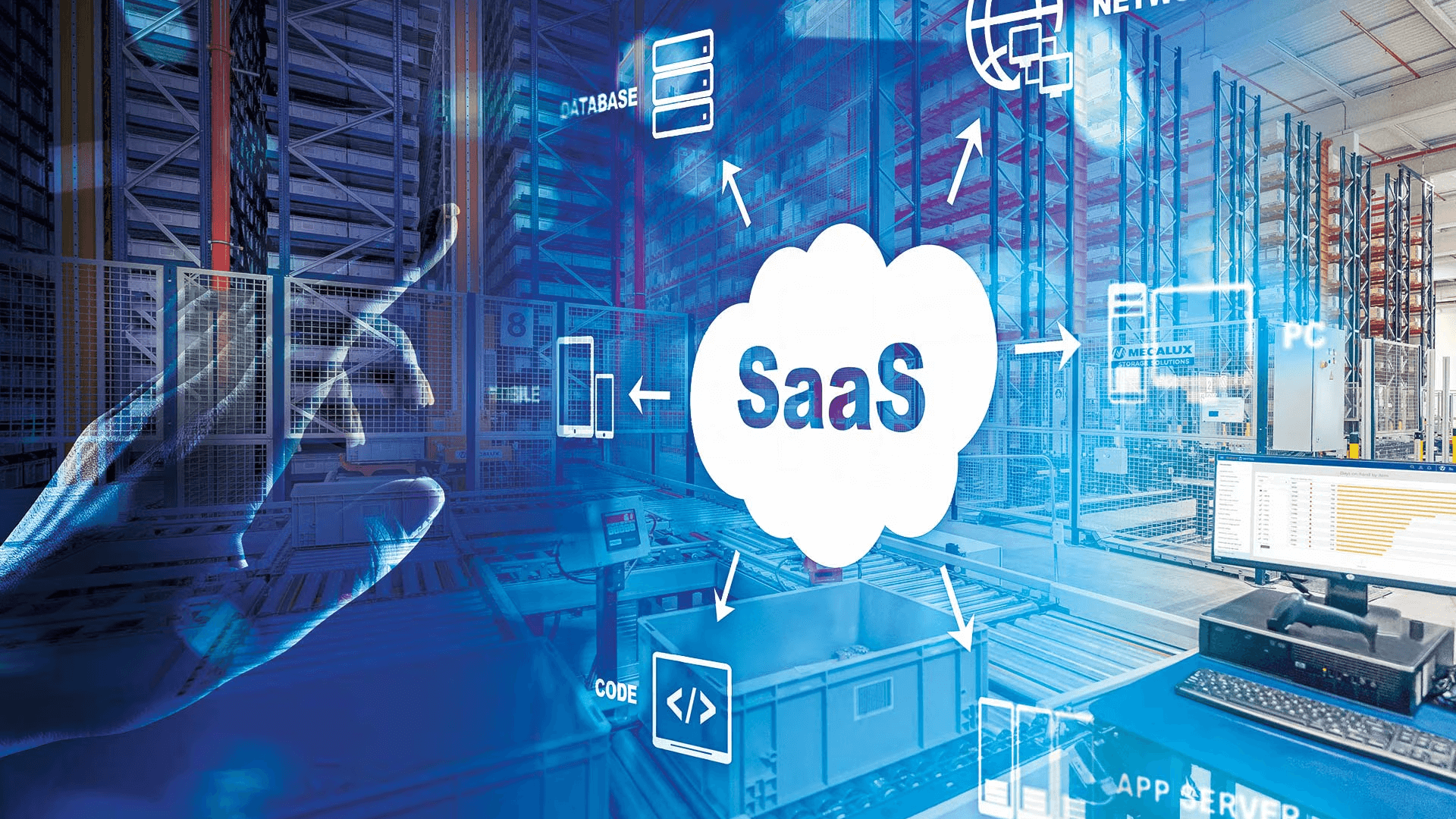
In 2026, the software as a service landscape is evolving rapidly. Businesses face intense pressure to launch innovative products quickly while ensuring they can scale to millions of users without breaking. Traditional coding methods, though reliable, often take months or years to deliver complex applications. This is where low-code platforms step in as a game changer. They allow teams to build robust, scalable SaaS apps in weeks instead of months, democratizing development and accelerating digital transformation.
At Dreams Technologies, we have helped numerous clients leverage low-code to create custom SaaS solutions that grow seamlessly with their needs. From startups validating MVPs to enterprises modernizing legacy systems, low-code has proven its worth. Industry analysts like Gartner highlight that enterprise low-code platforms are leading the charge, with tools designed for mission-critical applications.
Low-code development involves visual interfaces, drag-and-drop components, and pre-built templates that minimize hand-written code. Developers and even business users can assemble applications rapidly. When combined with AI integrations, these platforms generate code automatically, handle integrations, and ensure security compliance out of the box.
One of the biggest advantages is speed. Traditional development requires writing extensive code for backend logic, databases, user interfaces, and APIs. Low-code platforms abstract much of this complexity. For instance, connecting to cloud services or implementing authentication takes just a few clicks. Reports from 2026 indicate that low-code can reduce development time by 70 to 90 percent, allowing teams to iterate faster based on user feedback.
Scalability is another key benefit that addresses common SaaS concerns. Early misconceptions suggested low-code apps could not handle enterprise loads, but modern platforms have shattered that myth. Leading tools support microservices architectures, containerization, and auto-scaling on cloud providers like AWS or Azure. This means your SaaS app can start small and expand effortlessly as your customer base grows, without accumulating technical debt.
Cost efficiency plays a huge role too. By reducing the need for large development teams, low-code lowers labor expenses significantly. Maintenance becomes simpler since visual models make updates intuitive. Businesses can allocate resources to innovation rather than routine coding tasks.
Integration capabilities have improved dramatically in 2026. Low-code platforms offer thousands of pre-built connectors for popular services, from payment gateways like Stripe to analytics tools. This seamless ecosystem is perfect for SaaS products that rely on third-party APIs.
Citizen development empowers non-technical users to contribute. Business analysts or product managers can prototype features, freeing professional developers for complex customizations. This fusion team approach bridges the gap between IT and business units, fostering collaboration and alignment.
Security and governance are no longer afterthoughts. Enterprise-grade low-code platforms include built-in compliance for standards like GDPR and HIPAA, automated vulnerability scanning, and role-based access controls. As cyber threats evolve, these features ensure SaaS apps remain secure at scale.
Popular low-code platforms leading in 2026 include OutSystems, known for its high-performance apps and full-stack capabilities; Mendix, which excels in collaborative development and AI-assisted building; Microsoft Power Apps, integrated deeply with the Microsoft ecosystem for rapid enterprise solutions; and others like Appian and Kissflow for process automation. Gartner consistently ranks these as leaders for their scalability and innovation.
Real-world examples abound. Companies have used low-code to launch multi-tenant SaaS platforms that handle high traffic, dynamic pricing models, and personalized user experiences. In competitive markets, getting to market first often determines success, and low-code provides that edge.
However, low-code is not a one-size-fits-all solution. For highly specialized algorithms or unique performance needs, custom code might still be necessary. The best approach is hybrid: using low-code for core functionality and extending with pro-code where required.
Looking ahead, the integration of AI is making low-code even more powerful. Generative tools suggest components, optimize workflows, and predict scalability issues proactively.
At Dreams Technologies, we specialize in guiding businesses through low-code adoption for SaaS development. Our experts evaluate your requirements, select the right platform, and deliver tailored solutions that are fast to build, easy to scale, and cost-effective. We also provide training and ongoing support to maximize your investment.
If you are planning a SaaS product in 2026, embracing low-code could be the difference between lagging behind and leading the pack. Contact Dreams Technologies today to explore how we can help you build scalable apps faster than ever.
Get in Touch
Have questions? Fill out the form below and our team will contact you.