In 2026, mobile app development offers more choices than ever. Cross-platform frameworks like Flutter and React Native promise faster delivery and code sharing across iOS and Android. Yet many businesses still choose native Android development with Kotlin and Jetpack for demanding applications. At Dreams Technologies, we build high-performance Android apps daily and see native approaches deliver unmatched results in speed, efficiency, and user experience. This blog explains why Kotlin combined with Jetpack tools continues to outperform cross-platform alternatives for performance-focused projects.
The Enduring Strength of Native Development
Native Android apps compile directly to machine code optimized for Android devices. This direct integration with the Android runtime and hardware eliminates abstraction layers found in cross-platform solutions. Kotlin, Google’s preferred language since 2019, provides concise, safe, and modern syntax that accelerates development without sacrificing control. Jetpack Compose, now the standard declarative UI toolkit, simplifies building responsive interfaces. Its reactive model aligns perfectly with Kotlin’s coroutines and flows, enabling smooth animations and efficient state management. Cross-platform tools have narrowed the gap significantly. Flutter uses its Impeller engine for excellent rendering, and React Native’s New Architecture with Fabric and Hermes improves startup times and frame rates. However, native Kotlin apps maintain advantages in raw execution speed, especially under heavy loads or complex computations. Benchmarks from recent comparisons show native Android achieving consistent 60 fps in demanding scenarios with lower memory usage. Startup times often fall in the 300 to 600 millisecond range, compared to 400 to 1200 milliseconds for cross-platform equivalents.
Superior Performance in Key Areas
Performance matters most in graphics-intensive apps, real-time processing, or battery-sensitive features. Native development excels here because it accesses hardware directly without bridges or interpreters. For animations and UI fluidity, Jetpack Compose leverages Android’s rendering pipeline natively. Complex transitions and custom views perform smoother than emulated layers in cross-platform frameworks. Heavy computations, such as on-device machine learning or image processing, benefit from Kotlin’s efficient bytecode and Android’s ART runtime. Cross-platform solutions may introduce overhead from Dart compilation or JavaScript bridges, even with optimizations. Battery efficiency stands out as another win. Native apps manage background tasks and resource usage more precisely, leading to longer device life in IoT, fitness, or navigation apps. Low-level hardware integration, including advanced Bluetooth, camera APIs, or sensors, remains seamless in native code. Cross-platform tools often require plugins that add complexity and potential latency.
Developer Productivity with Modern Tools
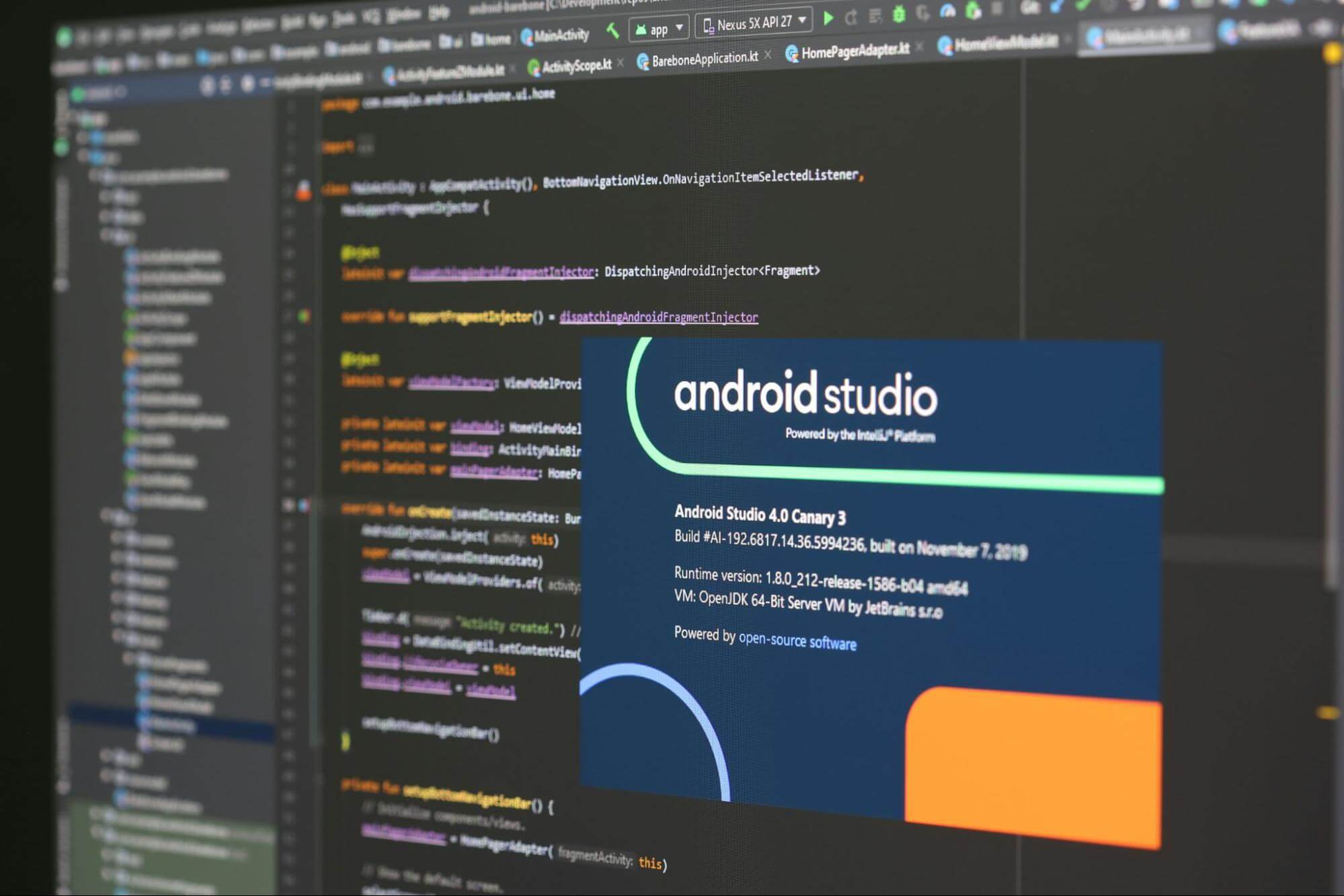
Kotlin and Jetpack have matured to rival cross-platform speed in many cases. Jetpack Compose reduces boilerplate dramatically compared to older XML layouts. Features like live previews in Android Studio speed up iteration. Coroutines handle asynchronous work elegantly, replacing callbacks with readable code. This boosts maintainability for large teams. Android Studio provides world-class tooling, including powerful profilers, emulators, and AI-assisted code completion. These tools help identify and fix performance issues early. For Android-first or Android-heavy projects, native development avoids the learning curve of Dart or JavaScript bridging quirks.
When Native Wins for Businesses
Choose native Kotlin and Jetpack for performance-critical apps like gaming, AR/VR experiences, financial tools, or enterprise solutions requiring deep OS integration. Businesses prioritizing long-term scalability and platform fidelity benefit from native. Updates to Android features arrive instantly without waiting for framework compatibility. At Dreams Technologies, we recommend native for clients where user experience defines success. Native apps feel snappier and more responsive, building stronger user loyalty. Cross-platform suits MVPs, content apps, or teams needing quick multi-platform launches. Yet for maximum performance on Android, native remains superior.
Conclusion: Prioritize Performance with Native Android
In 2026, Kotlin and Jetpack Compose offer the best combination of performance, modern development practices, and deep Android integration. While cross-platform frameworks deliver impressive results for many use cases, native development still leads when speed, efficiency, and hardware control matter most. If your project demands top-tier performance on Android, native Kotlin provides the edge. Dreams Technologies specializes in native Android solutions that deliver exceptional results. Contact us to discuss how we can build a high-performance app tailored to your business needs.
Get in Touch
Have questions? Fill out the form below and our team will contact you.