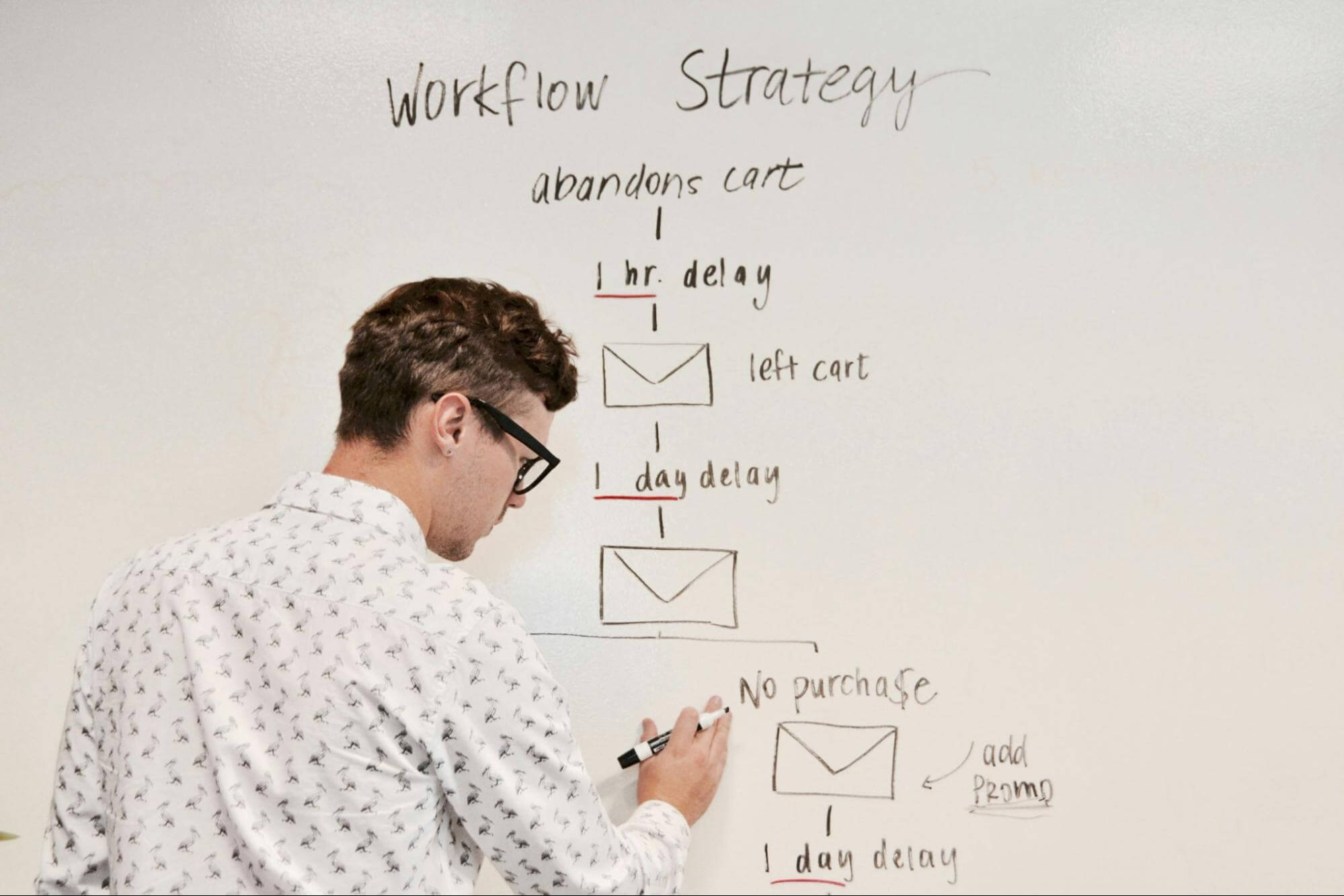

Building AI Agents: A Practical Guide to Transforming Digital Operations in 2026 In today’s fast-paced digital landscape, businesses are constantly seeking ways to streamline processes, reduce costs, and stay ahead of competitors. One of the most promising developments is the rise of AI agents. These intelligent systems go beyond simple chatbots by autonomously handling complex tasks, making decisions, and interacting with tools to achieve specific goals. As we move into 2026, AI agents are shifting from experimental tools to essential components of enterprise operations. What exactly are AI agents? At their core, they are autonomous programs powered by large language models that can perceive their environment, reason through problems, plan actions, and execute them using external tools like APIs or databases. Unlike traditional automation, which follows rigid scripts, AI agents adapt to new situations, learn from feedback, and handle multi-step workflows. This capability is transforming digital operations across industries, from customer service to IT management and supply chain optimization. The impact on businesses is already significant. Companies using AI agents report reduced manual effort, faster decision-making, and improved efficiency. For instance, in customer support, agents can resolve inquiries by accessing knowledge bases, updating records, and escalating issues only when necessary. In finance, they analyze data, detect anomalies, and automate approvals. Healthcare providers use them for scheduling and patient data management, while retail operations benefit from inventory forecasting and personalized recommendations. These examples show how AI agents free human teams to focus on strategic work, driving productivity gains that can reach 30 to 50 percent in targeted areas. Building your own AI agents might sound complex, but with the right approach, it is accessible even for teams without deep machine learning expertise. Here is a practical step-by-step guide to get started. First, define a clear use case. Identify a high-value problem in your operations, such as automating report generation or streamlining approval processes. Start small to prove ROI quickly. Choose problems with measurable outcomes, like reducing response times or error rates. Next, select your foundation. Most AI agents rely on powerful language models from providers like OpenAI, Anthropic, or Google. In 2026, trends favor hybrid approaches, combining large models for reasoning with smaller, specialized ones for efficiency and cost control. Frameworks like LangChain, LangGraph, or CrewAI simplify development by handling orchestration, memory, and tool integration. Then, design the core components. An effective agent needs perception (input processing), reasoning (planning via techniques like ReAct: reason, act, observe), memory (short-term for context and long-term for learning), and tools (connections to emails, databases, or web searches). Provide clear tool documentation so the model knows when and how to use them. Implement planning and execution. Use loops where the agent breaks down tasks, selects tools, acts, and reviews results. Add guardrails for safety, such as approval steps for sensitive actions. Finally, test, monitor, and iterate. Deploy in a controlled environment with human oversight. Track performance using metrics like task completion rate and cost per action. Incorporate feedback loops to refine prompts and tools. Best practices are crucial for enterprise success. Prioritize governance from the start, including data privacy, bias checks, and audit trails. Focus on reliability with error handling and fallback mechanisms. Optimize costs by routing tasks to appropriate models. Involve cross-functional teams early to ensure alignment and build trust. At Dreams Technologies, we specialize in helping businesses integrate AI agents into their digital ecosystems. Our expertise in custom software development, SaaS platforms, and AI-powered solutions like telemedicine and HR management systems positions us to guide you through this transformation. Whether you need a custom agent for workflow automation or modernization of legacy systems, our team delivers scalable, secure implementations tailored to your needs. As 2026 unfolds, AI agents will become standard for competitive operations. Multi-agent systems, where specialized agents collaborate, and integrations with physical devices are emerging trends. Companies that adopt early will see substantial advantages in agility and innovation. Ready to transform your digital operations with AI agents? Contact Dreams Technologies today to explore how we can build solutions that drive real results for your business.
Part of our AI Development & Strategy services →
Get in Touch
Have questions? Fill out the form below and our team will contact you.