Ride-hailing remains one of the most resilient and profitable on-demand business models in 2026, especially in India where urban mobility demand continues to grow in Tier-2 and Tier-3 cities like Coimbatore. Building an Uber-like app today means competing on reliability, safety, pricing transparency, and driver/rider experience rather than just matching supply and demand. At Dreams Technologies we have built several ride-hailing and hyperlocal delivery platforms. Below is a realistic 2026 guide covering must-have features, modern tech choices, cost estimates in India, typical timeline, and sustainable business models.
Core Features Every Uber-Like App Needs in 2026
Rider App (Customer Side)
- Phone OTP / social login + profile with saved locations & payment methods
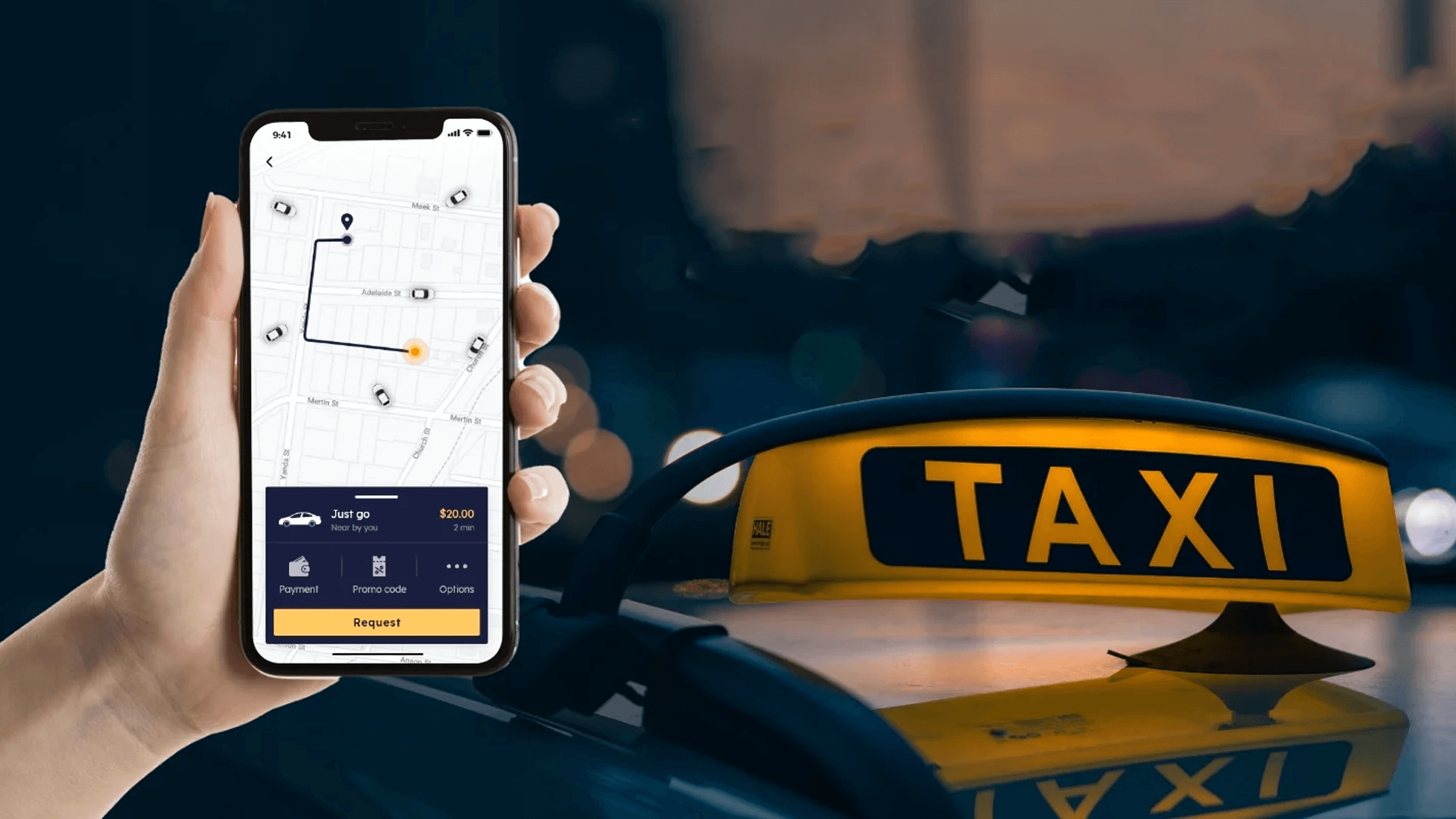
- Real-time map with nearby drivers, ETA, vehicle type filters (bike, auto, sedan, SUV, premium)
- Ride booking with fare estimation (dynamic pricing, surge visible upfront)
- Multiple payment options (UPI, cards, wallets, cash, subscription passes)
- Live ride tracking with driver details, vehicle info, SOS button
- Ride history, receipts, ratings & tips, support chat
- Scheduled rides, ride sharing (split fare), safety features (share trip, emergency contacts)
Driver App
- Driver registration & document verification (Aadhaar, DL, vehicle RC, background check integration)
- Online/offline toggle, ride requests with accept/reject + cancellation reasons
- Navigation with optimized routes (Google Maps API + traffic-aware)
- Earnings dashboard (daily/weekly payouts, incentives, referral bonuses)
- Ride completion with proof (photo/OTP), cash collection handling
- Safety toolkit (panic button, audio recording option, passenger rating)
Admin / Super Admin Panel
- Real-time dashboard (active rides, driver locations, heatmaps)
- Driver & rider management (KYC approval, suspension, ratings monitoring)
- Fare & commission settings (dynamic surge, promo codes, subscription plans)
- Payout management (weekly auto-payouts to drivers via bank/UPI)
- Dispute resolution & support ticket system
- Analytics (ride volume, peak hours, churn, revenue, driver utilization)
- Zone & pricing management (city zones, minimum fare, surge rules)
Additional High-Impact Features in 2026
- AI-based driver-rider matching (considering ratings, vehicle condition, route efficiency)
- In-ride safety recording (audio optional with consent)
- Subscription / pass model (unlimited rides at flat monthly fee)
- Multi-modal transport (bike + auto + car + intercity in one app)
- Carbon footprint tracker & green ride options
Recommended Tech Stack (2026 India Reality)
- Mobile Apps: Flutter (single codebase, excellent performance) or React Native
- Backend: Node.js + Express / Python FastAPI + PostgreSQL + Redis
- Real-time: WebSockets (Socket.io) or Firebase / Pusher
- Maps & Navigation: Google Maps Platform (Places, Directions, Distance Matrix)
- Payments: Razorpay / Cashfree / PayU (UPI AutoPay for subscriptions)
- Push Notifications & SMS: Firebase Cloud Messaging + MSG91 / Twilio
- Hosting & Scalability: AWS (EC2, RDS, Elastic Beanstalk, S3) or Google Cloud
- Admin Panel: React.js / Next.js dashboard or low-code (Retool / Appsmith)
Flutter + Firebase + Razorpay remains the fastest & most cost-effective stack for Indian startups in 2026.
Realistic Cost Breakdown in India (2026)
Agency rates in Coimbatore / Tamil Nadu: ₹1,800 – ₹4,500 per hour (blended team).
- Basic MVP (single city, core booking & tracking, limited vehicle types): ₹8,00,000 – ₹18,00,000 ($9,600 – $21,600) Timeline: 4–7 months
- Mid-Level Production-Ready App (multi-city, surge pricing, subscriptions, basic AI matching, full safety suite): ₹20,00,000 – ₹45,00,000 ($24,000 – $54,000) Timeline: 8–14 months
- Advanced / Multi-Modal Platform (intercity, bike+car+auto, heavy analytics, compliance): ₹45,00,000 – ₹1,20,00,000+ ($54,000 – $144,000+) Timeline: 14–24+ months
Phase Split (for ~₹30,00,000 mid-level project)
- Discovery & planning: 10–15%
- UI/UX design: 15–20%
- Development (3 apps + admin): 45–55%
- Testing, security & compliance: 10–15%
- Launch & initial scaling: 5–10%
Ongoing Costs (annual): 15–25% of initial budget (servers, maps API, payment fees, maintenance).
Proven Business Models in 2026
- Commission per ride (15–25%) — most common
- Subscription passes for riders (unlimited rides / discounted fares)
- Dynamic surge pricing + peak-hour premiums
- Driver subscription / convenience fee
- Advertising (in-app banners, sponsored rides)
- Corporate / employee mobility plans
- White-label / franchise model for other cities
Quick Launch Advice
Start with one city and one vehicle category (bike/auto). Focus on driver onboarding & retention first (they are the supply side). Build strong safety features early — trust is everything. Launch MVP, collect feedback, then expand to multi-modal and subscriptions. At Dreams Technologies we specialize in ride-hailing and hyperlocal apps for Tamil Nadu and pan-India startups. We help founders scope realistically, launch fast, and scale profitably. Planning your Uber-like app? Share your target city, vehicle focus, and budget range — we will give you a tailored roadmap and cost estimate within 24–48 hours. The mobility space in 2026 still has room for regional players who execute safety, pricing, and reliability better than the giants. Build smart and start strong.
Get in Touch
Have questions? Fill out the form below and our team will contact you.